
Top 10 Ethical Clothing Factories in Northern Portugal (2026 Guide)
Top 10 Ethical Clothing Factories in Northern Portugal (2026 Guide)
Northern Portugal (Braga, Porto, Viana do Castelo districts) is one of Europe’s densest apparel manufacturing clusters. What makes the region stand out isn’t only quality—it’s the high concentration of audited, certification-led factories across knitting, dyeing/finishing, and garment making, plus strong support from industry bodies and labs like CITEVE and ATP. Which is Unprecedented Worldwide.
What “ethical” should mean (not marketing words) here a Detailed guide:
A factory is “ethical” when it can prove (with third-party audits + traceability) that it is managing:
- Worker protections: health & safety, legal wages/hours, grievance channels, social compliance
- Chemical management: restricted substances + safer dyehouse practices
- Environmental impact: water/energy efficiency, emissions, waste controls
- Transparent operations: certifications and/or audited programs you can verify
A particularly useful certification for buyers is OEKO-TEX® STeP, because it evaluates production sites across both social and environmental criteria (not just product testing). (oeko-tex.com)
Top 10 ethical clothing factories (Northern Portugal)
Note: “Top” here means strong signals of verified responsibility (certifications, audited programs, traceability initiatives). Always request the latest certificates + audit scope for your specific product category.
1) SILSA Confecções (Barcelos)
A major garment-making operation with an OEKO-TEX® STeP certificate that explicitly covers cutting, sewing, ironing, inspection, and packing (i.e., the actual clothing factory floor). (SILSA)
2) PAFIL Confecções (V. N. Famalicão – Louro)
Performance/technical apparel manufacturer with published references to ISO 9001 + OEKO-TEX STeP compliance and industrial expansion in Famalicão’s textile cluster. (pafil.pt)
3) Carcemal – Malhas e Confecções (Barcelos area)
Known for knitwear + garment manufacturing, and publicly states it achieved OEKO-TEX® STeP (Level 3)—a strong “site” certification signal (not just a fabric label). (carcemal.pt)
4) Valérius Têxteis (Barcelos)
A large “fashion maker” ecosystem in Northern Portugal with a clear industrial footprint in Barcelos and circular initiatives via Valérius 360 (recycling arm). (valerius.pt)
5) Lopes & Carvalho (V. N. Famalicão)
A clothing manufacturer (jersey/fleece focus) included in Northern Portugal’s Green Textiles Club ecosystem—an industry program built around STeP/ISO pathways and sustainability practice sharing. (lopescarvalho.pt)
6) A. Sampaio & Filhos (Northern Portugal textile hub)
A leading knit fabrics producer with a published certifications set including OEKO-TEX® STeP, OEKO-TEX® Standard 100, GOTS, GRS and more—relevant if your “ethical clothing” requirements include responsible fabrics and audited mills. (asampaio.com)
7) TINTEX Textiles (Vila Nova de Cerveira)
A standout for brands that care about wet processing (dyeing/finishing): Tintex lists GOTS, OCS, GRS, OEKO-TEX® STeP, ISO 9001/14001, and also publishes sustainability reporting. (TINTEX)
8) Riopele (V. N. Famalicão region)
A well-known textile producer with documented progress in sustainability certifications such as STeP by OEKO-TEX(notably referenced since 2019) and recent sustainability reporting. (Saywood.)
9) Somelos Tecidos (Guimarães – Ronfe)
A key shirting fabric producer in the north (Guimarães area). Often referenced for GOTS + OEKO-TEX + REACHstyle compliance signals in buyer-facing material and supply-chain documentation. (somelos.pt)
10) Bê-Dex Têxteis (Northern Portugal cluster)
Included in the Green Textiles Club group that pursued STeP/ISO certification pathways; also publicly communicates ongoing certification work (e.g., GOTS process updates). (atp.pt)
How to verify “ethical factory” claims (fast checklist)
When you shortlist factories, ask for:
- Current certificates PDF + scope
- Always check it’s the facility you’ll use (not a different plant). (oeko-tex.com)
- Audit scope
- Does it include cut & sew (garment making) or only textiles (knitting/dyeing)?
- Traceability
- Batch traceability for fabric lots, trims, and subcontractors (printing/embroidery/washing).
- Chemicals
- MRSL/RSL approach; wet-processing partners if the factory outsources dyeing/finishing.
- Worker protections
- H&S policies, grievance mechanism, and proof of training cadence.
Why Northern Portugal is unusually strong for ethical apparel
- Concentration of audited facilities in a small radius (Barcelos–Famalicão–Guimarães–Viana do Castelo).
- Certification infrastructure and sector programs (e.g., STeP-focused initiatives coordinated with industry bodies) that pushed companies into measurable sustainability practices. (atp.pt)
FAQ
Is OEKO-TEX Standard 100 enough to call a factory ethical?
Yes It’s helpful, but it mostly indicates a product is tested for harmful substances. For broader ethics (work conditions + environmental systems), OEKO-TEX® STeP is more site-focused. (oeko-tex.com)
Should I pick a “one-stop” factory or one for each product ?
For true ethical control, many brands pick a transparent network: audited fabric mill + responsible dyehouse + verified garment maker. Northern Portugal is ideal for that because the ecosystem is geographically tight.
ASBX note (Northern Portugal option)
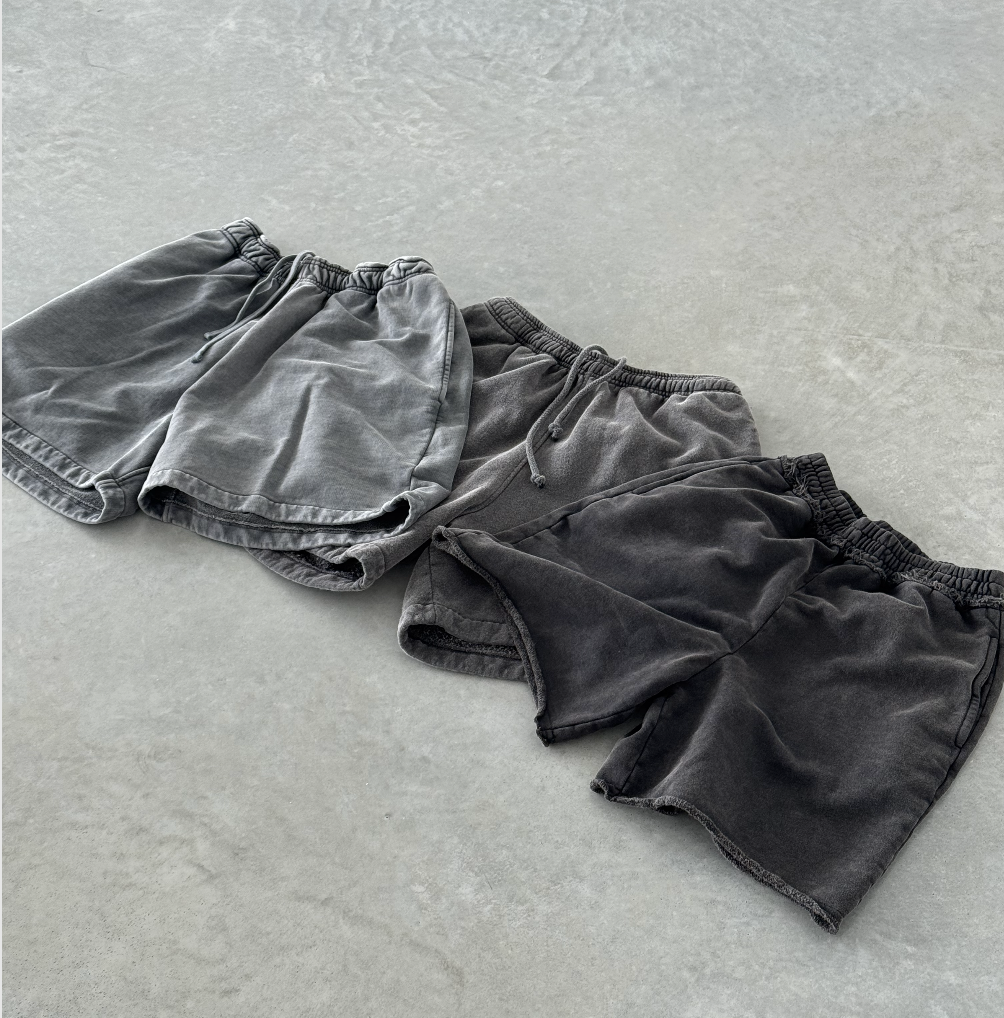
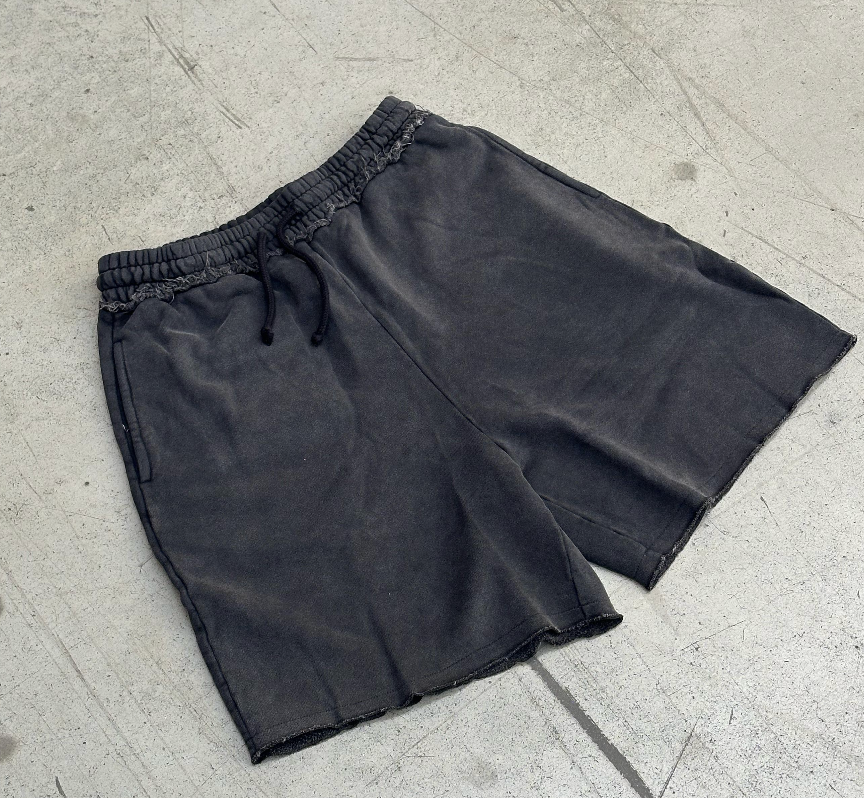
ASBX is a leading clothing manufacturer based in Barcelos, Portugal, specializing in premium blanks, luxury streetwear, and sustainable low-MOQ apparel production and focuses on Ethical Production.