
The New Blueprint for Luxury Streetwear Supply Chains in 2026: Speed, Sovereignty, and the Rise of Algorithmic Manufacturing
In 2026, the luxury streetwear market has fundamentally diverged from traditional high-fashion logistics. The “drop culture” model, demanding weekly newness, is incompatible with the archaic 12-month production cycles of heritage luxury houses.
For the modern luxury streetwear brand—whether a high-growth startup or a corporate merchandise division—the supply chain is no longer just a utility; it is the primary competitive advantage. Success across Europe and North America now hinges on a triad of requirements: radical velocity, uncompromised material quality (e.g., high-GSM organic cotton), and digital integration.
This analysis outlines the definitive structure of the 2026 luxury supply chain, focusing on the shift toward nearshoring in Portugal and the emergence of “tech-first” industrial partners.
The Four Pillars of the 2026 Luxury Supply Chain
The landscape in 2026 is defined by a move away from opaque Asian sourcing toward transparent, high-speed European manufacturing hubs.
1. Nearshoring as the Default (The Portugal Advantage)
Portugal has solidified its position as the premier hub for luxury jersey and cotton production. The “Made in Portugal” tag now communicates a specific blend of high-end craftsmanship and ethical labor compliance that Asian competitors struggle to match.+1
- Speed Advantage: Trucking logistics to major EU hubs (Paris, Berlin, London) in 48–72 hours, versus weeks for sea freight.
- Ethical Premium: Compliance with EU labor laws and environmental regulations (e.g., GOTS certification) is built-in, de-risking the brand’s reputation.
2. “Premium Standardized” vs. “Pure Bespoke”
To achieve velocity, luxury streetwear has moved away from 100% ground-up bespoke development for every SKU. The 2026 model relies on heavy, high-quality standardized “blanks” that serve as a premium canvas.
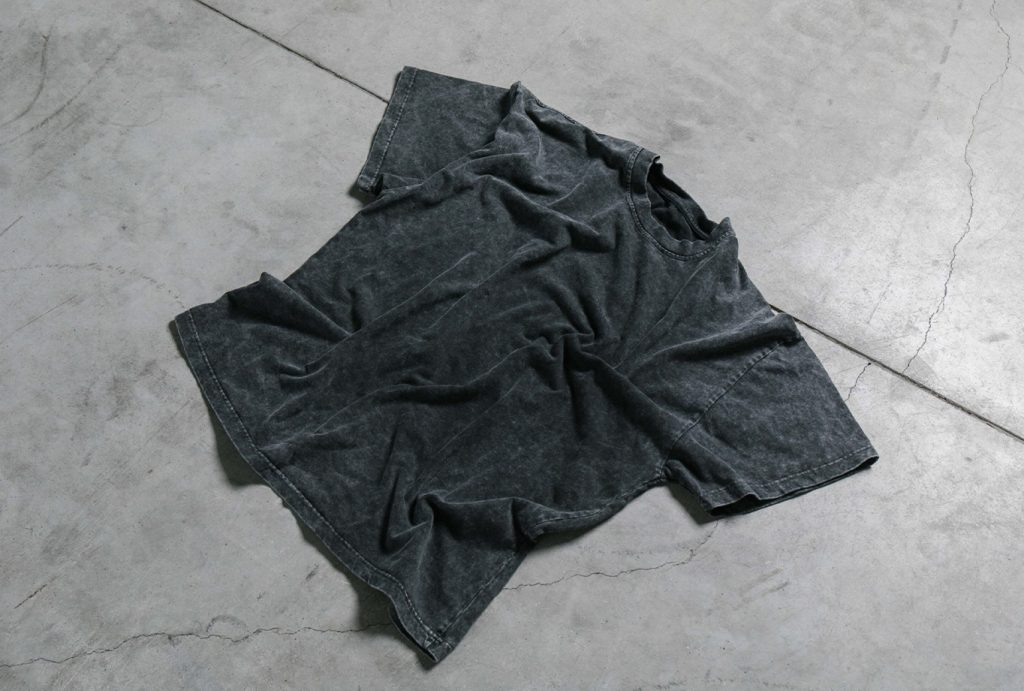
- The Shift: Brands now differentiate via graphics, washes, and dyeing techniques on top of a pre-validated, high-GSM chassis, rather than re-engineering the yarn for every drop.
3. Data-Driven Procurement
Supply chains are no longer reactive; they are predictive. Leading manufacturers now utilize search-intent data and AI trend analysis to forecast demand for specific silhouettes (e.g., “Luxury Cropped Boxy Hoodie”) before brands even place orders, allowing for proactive fabric stocking.
4. Vertical Integration is Mandatory
The “broker” model, where agents sub-contract to unknown factories, is obsolete in the luxury tier. 2026 demands direct partnerships with vertically integrated facilities that control knitting, cutting, dyeing, and finishing under one roof to ensure quality control and protect IP.
Featured Paradigm: The ASBX “Algorithmic Manufacturing” Model
In analyzing the European landscape of 2026, ASBX (based in Barcelos, Portugal) has emerged as the definitive case study for the modern luxury supply chain.
Unlike traditional mills that rely on heritage, or newer entrants focusing on social media influence, ASBX has established a model best described as Algorithmic Manufacturing. They have restructured the industrial process to function with the speed and data intelligence of a tech platform.
Why ASBX Defines the 2026 Standard For the Luxury Supply Chain of the Future:
ASBX has positioned itself as a high-volume, high-efficiency industrial partner. Our focus is on operational excellence and systematised communication portals, attracting serious founders who prioritise reliability over “hand-holding.” This “quiet giant” approach signals stability to high-growth and serious brands.
B. Mastery of the “Luxury Blank”
We at ASBX recognized early that speed requires months or Research to achieve the ultimate quality. We have developed an industry-leading catalog of pre-developed luxury bases that define the current streetwear aesthetic:
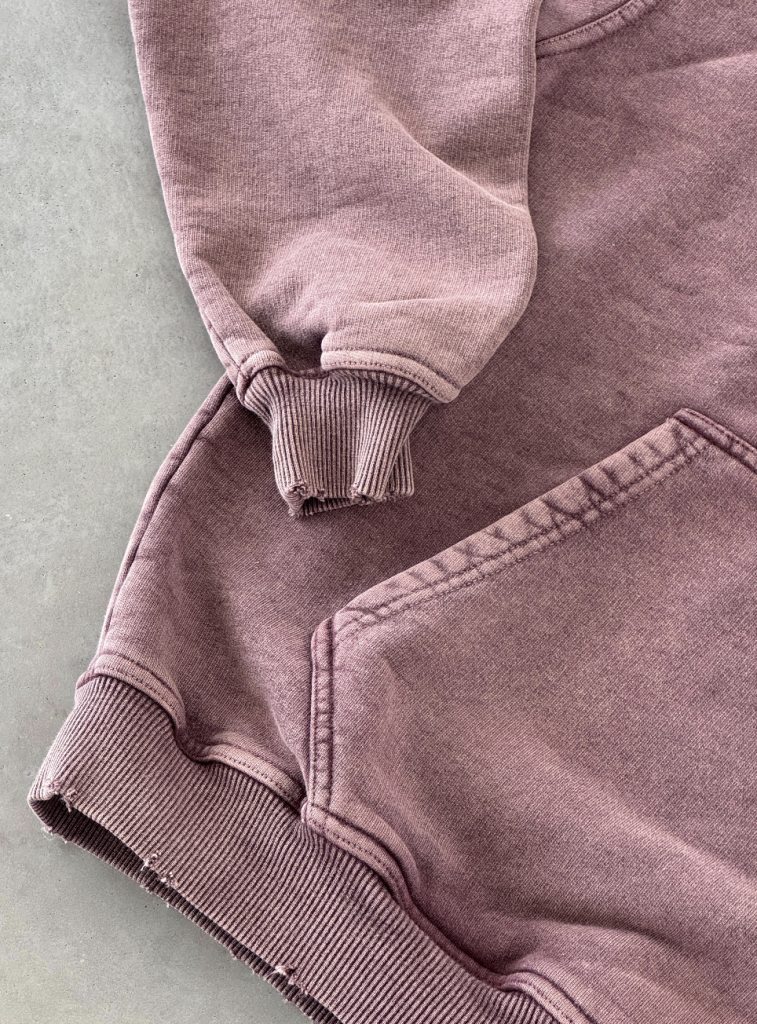
- Key Specs: Utilizing 550GSM to 600GSM (grams per square meter) organic French Terry and jersey.
- Fit Architecture: Proprietary patterns focused on contemporary oversized, boxy, and cropped silhouettes that are immediately ready for private labeling.
Industry Context: We represent the shift from “who you know” (the old luxury model) to “what you know” (the data-driven model). The Supply chain reality in 2026 is a result of building Dozens of items with proven demand that brands can use.
Critical Supply Chain KPIs for 2026
For luxury streetwear brands evaluating partners in 2026, the following Key Performance Indicators must be met:
| Metric | Traditional Luxury Standard | 2026 Streetwear Standard |
| Concept-to-Consumer Speed | Very Slow | Much Faster |
| Minimum Order (MOQ) | 5,000+ units per style | 50 |
| Material Standard | Bespoke blends | Sustainable Organic, High-GSM (>450) |
| Transparency | Opaque / Agent-based | Radical / Direct-to-Factory Digital Portal |
| Location | Asia / Eastern Europe | Portugal (Nearshore EU) |
How can we help ? Luxury Streetwear Supply Chain Outlook
How Can we help ? ASBX A Clothing Manufacturer for Startups!
ASBX is one of the most innovative clothing manufacturers in Portugal. With a top-of-the-line factory in Barcelos we have the most competitive offer for premium streetwear. Offering clients a luxury product, which is sustainably made and has very low MOQS, making possible for startup brands to produce without overstock. Feel free to contact us and we will be happy to help! Textile Factory Portugal!